|
|||||||
| Register | Blogging | Search | Today's Posts | Mark Forums Read |
Welcome to Music Banter Forum! Make sure to register - it's free and very quick! You have to register before you can post and participate in our discussions with over 17,000 other registered members. After you create your free account, you will be able to customize many options, you will have the full access to over 300,000 posts.![]() |
|
|
Thread Tools | Display Modes |
|
|
|
|
Revisonists History
Join Date: Jul 2007
Location: The end of the Earth
Posts: 1,289
|
Wavelength became Morrison’s fastest selling album ever, still while the sounds we’re evolving there was a still an element missing, Van was still not natural as he had been during the earlier part of his career, critics had noticed and while not dismissing the music had rated it lower then his music from earlier in the decade. Morrison choose to leave the country and rediscover the joy of making music and this eleventh studio release was the result.
![]() Into the Music (1979) The ninth and final studio album of the decade released by Morrison was written primarily on sabbatical in England. The album, again, has a carefree and contented feel from start to finish. Morrison included the likes of established stars Pee Wee Ellis, Ry Cooder and Herbie Armstrong, who Morrison had been staying with. Morrison describes being reenergized by their presence and even admits “It’s when I starting enjoying it again…that’s why I called it “Into the Music”…” The reaction from critics seemed to fall in line with Morrison’s assessment as many hailed it a comeback and an instant classic … 1. Bright Side of the Road – Peppy and positive out of the gate it’s a simple, safe and strong choice to open the album. Brass stands out backed by the rhythm section including piano and bass. Harmonica interlude by Morrison is a nice touch falling into the bridge. Overall the song is a good one but forgettable as it’s as run of the mill as any Morrison single to date. Even Morrison’s throaty final delivery of the “Brightside…” chorus is fairly average.7.5\10 2. Full Force Gale – Country Gospel is the essence of this spiritual ode which has become a favorite of fans and critics alike over the years. The upbeat tempo and full sound with harmonizing vocals and uplifting lyrics are a touching combination to even the most callus critic. The screaming violin is the essence of the song; and there is strength in the simplicity of the progression. The song has such a free and easy spirit; each verse, each chorus, each note is so effortless that the song moves by in the blink of an eye each time. 8\10 3. Stepping Out Queen – Exemplifying the transitionary sound of the era, “Stepping Out Queen” is a full powered punchy ballad atop a stirring epic which is as candid as it is condensed. Another full sound with triumphant horns and piercing strings behind a technically flawless rhythm. The Searing violin interlude and powerful bridge procession are the highlight of the song. If it’s to be criticized will be for not featuring a daring or dynamic enough approach, it sort of drags along at times rather then moving with the confidence of Morrison’s best work. 7 \10 4. Troubadours – Injecting needed energy and soul into the album is the appropriately titled “Troubadours”. Gliding from note to note, it’s a delicately composed number with a distinct Celtic influence. The nuanced sound is a product of the eclectic influence behind the album. A gentle marching beat is the backbone for the four-headed lead with woodwinds, keys, strings and brass sharing the spotlight. One of the musical highlights of this or any other album; such a full but self-contained sound is as relaxing an uplifting a number as the first side offers. 8\10 5. Rolling Hills – Continuing on the easy Celtic theme is the playful “Rolling Hills” a simple stomping circular number delivered in a semi-decipherable growl. The instruments have a novelty feel that breeds simple satisfaction and unconscious toe-tapping. The end result is a smashingly brilliant bit of Celtic-pop from the Irish sultan of Soul. This is the type of song that requires several listens over a period of time to fully appreciate. It’s complex construction but simple sound is one of many dichotomies among the song that make it such an interesting and satisfying cut. 8.5\10 6. You Make Me Feel So Free – True to form with the sound of the album, especially the early numbers. Piano punches out the melody and horns fill in the cracks of this predictable but prolific jazz\R&B number. Saxophone overlays and solo and a lively bass line highlight There is a sort of “yes and” feel to a lot of these type of Van songs; it’s just so structured and repetitive it almost borders on over-produced. It’s the conviction and confidence of Morrison alone that makes this song work for me. 7.5\10 7. Angelou – The Side two Suite opens with the eerie “Angelou” thankfully revisiting the Celtic influence in the intro and progressing into a delicate soulful plea. Stepping out of desperation (Angelou...oh, Angelou) into improvisation and back again as quickly and unannounced as before. Angelou is a casual confident declaration of an arrival. It’s Morrison’s personal expectation reaching manifest. A new more mature sound with the same old soul, maybe a litter safer but a little more refined for the journey. The melody sneaks up on you and wraps you up; it’s a fantastic introduction to what is one of Van’s most highly regarded album sides ever. More layered and inclusive then it appears at first listen, a really nice mellow number. 8.5\10 8. The Healing Has Begun – A particularly triumphant and significant song in Morrison’s career. This is old Van meets New Van. Making a literal reference to the metaphorical healing element that would become a recurring theme in his future releases. As the song opens that isolated acoustic sound accompanied by strings and keys sets a nostalgic and exhilarating mood as the song opens. The first line takes us “Back down the Avenue of Dreams” A Powerfully delivered song; forceful yet tender each note a journey through the love of the music and the melancholy of transformation. Such a beautiful and sincere energy; it’s more then enough to power the song. The full sound and the transcending melody do the rest. The music is distinctly similar to early Van as the vocal delivery explodes into its own sleeping monster on a bed of rhythm. The song becomes more and more signature as it moves, Van evolves the lyrics the band evolves the music and the cathartic element has never reached such heights; an insistent Morrison propels the song including a brief ¾ spoken dialogue from the Belfast Cowboy culminating with him insisting “We gonna stay out all night long” and “run across the field”. 9.5\10 9. It’s All in the Game – The penultimate number, a 1950’s pop cover, continues the side two suite with a mellow monster of a song; lyrically delivery from spoken, to whispered to shrieked and slurred. A love song without a subject to sing to; a sort of tale of life lessons taught, this is the final piece to the puzzle, Van is not the emotionally raw and explosive narrator of Astral Weeks, he is now a grizzled loved and lost veteran. A preface of a song really setting the final trap on the album. As the music shifts pattern not progression “It’s all in the Game” proceeds with such ease it goes almost unnoticed into the distance and usher’s in the album’s finale. 8\10 10. You Know What They’re Writing About – Opening soft and subtly the self aware finale is another restrained variation on the side two theme. The slow rhythm builds to a finally conclusive chorus. This song is and album are ready wrap after the first time through the sequence at the 2:50 minute mark but persists another two plus minutes trying to stomp its point home and losses a bit of the albums overall momentum, it’s one of two songs I can fathom criticizing on this album. 7.5\10 …Often described as the quintessential mid period Van Morrison album. For me it’s not considerably better then either of the previous two. However it has a more comfortable and natural sound with a more sincere confidence that leads to a more consistent and inspired vocal performance. It’s slightly more consistent though not considerably better then Wavelength and its debatable which side two I like better though Into the Music is the critic’s clear choice. For me most it’s the side two suite that stands out but for others it’s the energetic and full compositions of the first side and for me it’s an album built are “The healing has Begun” and very well built. I suppose that’s part of it’s strength’s having a broad appeal, I think most significantly it’s marks an eleventh straight album with well above average material for Morrison a type of prolific consistently few artists ever approach. ![]() Defining Track(s): “The Healing Has Begun” Line in my head: “Backstreet Jelly Roll” Christagu’s Take: The rockers are a little lightweight, the final cut drags halfway through, and that's all that's wrong with this record, including its tributes to "the Lord." You might get religion yourself if all of your old powers returned after years of failed experiments, half-assed compromises, and onstage crack-ups. Like that other god-fearing singer-songwriter, Morrison has abandoned metaphorical pretensions, but only because he loves the world. His straightforward celebrations of town and country are colored and deepened by his musicians--especially sprightly violinist Toni Marcus (feh on Scarlet Rivera)--and by his own excursions into a vocalise that has never been more various or apt. The only great song on this record is "It's All in the Game," written by Calvin Coolidge's future vice-president in 1912. But I suspect it's Van's best album since Moondance. A Star rating: (1-5) (from my personal catalog) **** How it made me feel today: (1-10): 8 Overall Ranking: TBD Next up: Common One- 1980
__________________
My Van Morrison Discography Thread |
|
|
|
|
|
|
|
Revisonists History
Join Date: Jul 2007
Location: The end of the Earth
Posts: 1,289
|
The Epic composition is almost a staple of Morrison's albums particularly in the 60's and70's. I've selected what I feel are the most grandiose tracks from each each of his first 12 albums (1 each) and compacted them into three four song compilations each about 30 mins long and organized chronologically.
Feel free and encouraged to provide comments and critiques and questions about the songs or overall compilations. Here is the overall play list in case the order gets scrambled by the upload. ![]() 1. T.B. Sheets - Blowin' Your Mind - 1967 2. Cypress Avenue - Astral Weeks - 1968 3. Caravan - Moondance - 1970 (Taken from 1974's Live album Too late to stop now) 4. Street Choir - His Band the Street Choir Morrison Epics Comp Volume One (1967-1970) ![]() 5. Moonshine Whiskey - Tupelo Honey (1971) 6. Listen to the Lion - St. Dominic's Preview (1972) 7. Purple Heather - Hard Nose the Highway (1973) 8. You Don't Pull No Punches and You Don't Push the River - Veedon Fleece (1974) Morrison Epics Comp Volume Two (1971-1974) ![]() 9. Heavy Connection - A Period of Transition (1977) 10. Take it Where You Find it - Wavelength (1978) 11. The Healing Has Begun - Into the Music (1979) 12. Summertime in England - Common One (1980) Morrison Epics Comp Volume Three (1977-1980)
__________________
My Van Morrison Discography Thread |
|
|
|
|
|
||
|
Moodswings n' Roundabouts
Join Date: Apr 2006
Location: England
Posts: 2,445
|
Thank you! I'll dip my feet into these...
__________________
Quote:
Rate Yr Music Muxtape |
|
|
|
|
|
|
|
|
Revisonists History
Join Date: Jul 2007
Location: The end of the Earth
Posts: 1,289
|
Having been reinvigorated by the commercial and critical success of “Into the Music” a confident calculated Morrison made a daring and ultimately untimely decision to release another conceptual song cycle album in the style of Astral Weeks and Veedon Fleece this time with a free jazz influence delivered by Pee Wee Ellis on lead.
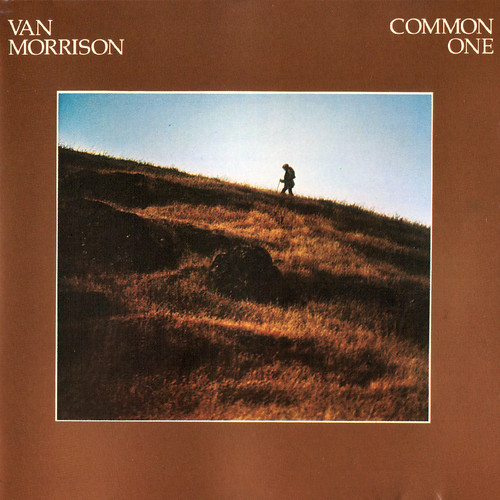
![]() Common One (1980) Recorded in nine days and eight nights in a French Monastery “Common One” was the exact opposite of what everyone expected from Morrison following the release on “Into the Music” one year prior. A dense more indeterminable though ultimately optimistic record Morrison implemented a free jazz atmosphere and stream of consciousness approach to the recording session, even performing three songs without and discernable melody and two tracks exceeding 15 minutes in length. It’s his most stripped down and raw album in more then five years but unfortunately quite possibly his most misunderstood ever. The critics smashed Morrison for being self absorbed and apathetic, describing his lyrics (based on American\English naturalist poetry) as pompous and trivial. This scathing epithet forced the natural reclusive Morrison into a 18 month hiatus from recording and prompted him to vow never to make another album quite so daring, a promise he’s sadly kept to over the years… 1. Haunts of Ancient Peace – Heavy, mega-mellow introduction to the album. Slowly and carefully progressing from the first note on through, each line is delivered with an undulating rhythm an escalating urgency. Simple and pure to its jazz origins and the theme therein the album. The rolling saxophone of Pee Wee Ellis copy cats Morrison’s punchy delivery and eventually takes center stage with the stand out instrumental performance of the album. Returning to it’s origins on the way out Haunts finishes as strong and slight as it starts. A fantastically melodic song. 8.5\10 2. Summertime in England – An amalgamation of free improvisational jazz, a work in progress poem and a full and devoted musical congregation. Throw in some literary influence name dropping a few dynamite diversions from the base melody and you an unforgettable 15 minute marvel and the most critically under rated Morrison number of all-time. An absolute show stopper for Morrison played live in the 1980’s and on occasion since. The song is so delicate at moments and then overwhelmed with sound later. It changes, evolves, returns and all along the way finds phrases which serve as guides or reminders of the overall concept. This is Morrison fully engorged in his influences musically, lyrically and conceptually. “Common One” the album title and catch phrase de jour of the number seems a persona and one that Morrison takes upon himself. He explains his confidence (“don’t stroke me, call me the common one”), perseverance (“high in the art of suffering one”) and acceptance (it ain’t why it just is”) all while exploding into holy music of a higher musical power. Conviction right until the end as Morrison provides ominous finality with “can you feel the silence” 9.5\10 3. Satisfied – The sort of antithesis “Summertime in England” in terms of structure and delivery, “Satisfied” is a number that has gotten better with time for me. It’s a mellow, bouncy jazz jumper that would have been a hit within “Into the Music”. Morrison sort of melts into the music throughout the verse before delivery a rousing fervor of a chorus between Pee Wee Ellis instrumentals featuring Van on accompaniment a nice twist for the album. The best line of the song is without question “I’ve got my Karma from here right to New York” which is senseless but brilliant. 7.5\10 4. Wild Honey – An endearing easy love song. As comfortably poppy and cliché as could be within the context of “Common One”. The song has a distant but unrelenting energy that sort of taps you on the shoulder as not to disturb. Musically the piano and the saxophone are breathtaking; the bass and drums are tactically and technically sound with flashes of flair. The strings are a narrative dynamo humming behind the enchanted confident pleas. A song that is so effortless it’s almost unprecedented, if only because I must to criticize it’s a safe choice for Morrison and the band, still it’s hard to fault them for this one considering the results. 8.5\10 5. Spirit – This song is so good that I have a sort of Pavlovian response soliciting uncontrollable giddiness in anticipation of “Spirit” during the final notes of “Wild Honey”. Starting with a crawl as Morrison to and fros’ his way through the inspirational repetitive progressions along with the beat; both leaving room for the music to grow. Then an explosion confidently ensuring the eternity of spirit; the music and the man crescendo at once for the most powerful and memorable moment of the album, the “Spirit” chorus. Musically Played with a relatively unscripted rhythm designed to fade in and out and create a sort of wave for the listener to ride. The determined nature of the verse is so wonderfully orchestrated and best exemplified late in the song with “And you keep walking on” etc. As powerful a healing song as any since Astral Weeks; A subtle but definite Morrison classic. 9\10 6. When Heart is Open – The most experimental song on the album completely devoid of any musically structure. The Musicians cautiously react to one another and their own interpretations of the song. This is the low point of the album sadly as the song, while at times interesting (near poetic lyrical moments, mirroring the opening track at one point) and consistently relaxing has little or no appeal to most fringe or outside fans and leaves even the most ardent supporters somewhat jaded. Still there is some credit to be given for the effort, especially in lieu of the album on its entire merits. 6.5\10 …In the past decade plus several critics have begun to revisit Common One and have called for a new fate fro the album. Citing an album that was years ahead of its time and very misunderstood. It’s Morrison’s most personally spiritual opus from his early years, and ultimately holy music. Several critics scorned Morrison for turning to religion, misunderstanding his convictions not as faith in traditional beliefs but in the mysticism of the enchanting healing nature of his music as it pertained to his personal experiences and those who can relate. This is a healing album for those whom it speaks to. The album contains at least two classics and features one of the most dynamic and dominant performances from a guest musician as Pee Wee Ellis plays the Cagney to Morrison’s Lacey. An example of how easy it is to overlook something we don’t understand at first glance or first listen. Thank goodness for this album. ![]() Defining Track(s): “Summertime in England” and “Spirit” and masterpieces of Improvisational Soul. Line in my head: “Holy Magnet Give you attraction Yea, I was attracted to You” Christagu’s Take: Sententious, torpid, abandoned by God, this six-song, fifty-five minute meander is Morrison's worst since Hard Nose the Highway--Astral Weeks fans even think so. He does have a direct line to certain souls, though, and they still hear him talkin'. As in fact do I, twice--on the only vaguely fast one, which goes "I'm satisfied/With my world," and on the truly nutball "Summer in England," which goes "Did you ever hear about/Wordsworth and Coleridge, baby?" B- Star rating: (1-5) (from my personal catalog) **** How it made me feel today: (1-10): 8.5 Overall Ranking: TBD “The world is too much with us; late and soon, Getting and spending, we lay waste our powers: Little we see in Nature that is ours; We have given our hearts away, a sordid boon!” William Wordsworth “Resembles Life what once was held of Light, Too ample in itself for human sight ? An absolute Self--an element ungrounded-- All, that we see, all colours of all shade By encroach of darkness made ?-- Is very life by consciousness unbounded ? And all the thoughts, pains, joys of mortal breath, A war-embrace of wrestling Life and Death ?” Samuel Taylor Coleridge Next up: Beautiful Vision- 1982

__________________
My Van Morrison Discography Thread |
|
|
|
|
|
|
|
Revisonists History
Join Date: Jul 2007
Location: The end of the Earth
Posts: 1,289
|
After a distressing experience following the release of Common One van took more then 18 months in the recording and releasing of his next album 1982’s Beautiful Vision. Living in England again, Van was a new man and one comfortable in his and his surroundings. At the time rumored and since confirmed to have been dating Ulla Munch during the recording phase she serves as a convenient muse and along with Morrison’s requited love for the United Kingdom and simultaneous push back towards the Into the Music formula create the structure of the album.
![]() Beautiful Vision (1982) The sounds are charming and eerie, a very polished and spiritual feeling album. Every song’s sound is full and free. It’s as pleasant sounding an album as there could be, very easy listening but lacking any real stand out tracks. Morrison combines elements mostly of his recent history in finding his footing again on his second album of the decade. The particularly infatuated feel of the album is due to, as any feel of his albums are, to Van’s current state of mind… 1. Celtic Ray – Guitar rhythms, bagpipes lend a distinctly Celtic sound to the song which deals with Morrison’s spiritual connection to his homeland; a particularly ethereal opener, some what out of sorts for Van but still a very polished and powerful musical performance. With a few nice changes of tempo breaking the monotony and a vocal performance complete with background reinforcement and real conviction. Van has renewed his love affair with Europe. 8\10 2. Northern Muse (Solid Ground) – Most likely inspired by his girlfriend at the time. Cool country rhythm fuses sounds from Wavelength to Common One continuing to shine with confidence and conviction. A steady tempo soothes your spirit, but never steals your full attention. Very strong musical collaboration; notable performances by complimentary bass and horns sections follow the back-up enhanced vocals. Simple but soulful lyrics “if you see her”, “and she moves” delivered with fervor to spare help elevate the song. 7.5\10 3. Dweller on the Threshold – Very identifiable with the era of the music; no doubt this is an 80’s Morrison number. Short winded horns punch out the melody of the chorus as the constant rhythm of bass guitar, drums and synth marches on. Very strong musically including an excellent saxophone solo and an overall pivotal performance from the horns. Circular musical and lyrical pattern again with backing vocals just sort of pushes along. Its strength is it creators not it’s creation. 7.5\10 4. Beautiful Vision – The title track sways back and forth with a balanced sound and a just catchy enough rhythm. Intoxicating imagery fills the lyrics and the feel of the music. Guitars and percussion keep the rhythm and horns and electric guitar fill in the gaps with delicate progressions. Van confidently pleas to his or someone’s “Beautiful Vision” be it Heaven, Love or otherwise it’s a certain aspiration and inspiration for the song. A song that appropriately exemplifies what this album is all about. Holy, real spiritual music that is relatable to everyone from Baptists to blasphemers, atheists to agnostics, Christians and klingons. Real soul music. 8\10 5. She Give’s Me Religion – Marinating in the overall sound of the album, it’s another comfortable, easy going number. Harkening back to that “mystic avenue” from Astral Weeks gone by; it’s a simple song with a simple message at its core. The Chorus is a full and powerful declaration but still done with delicate delivery. This one is confirmed to about the new love and follows the pattern of Van’s love songs since Veedon Fleece being musically sound first and expressive second. 7.5\10 6. Cleaning Windows – A little bit jumpier then and more energetic then most of side one; a very evocative number calling back to his days literally Cleaning Windows in his youth. This one has all the characteristics of a Van Morrison classic, with the random vocals (“#36”) mixed in amongst an otherwise linear storyline and the nuanced musical orchestration. A nostalgic narrative lyrical dialog opens the number alongside flawless musical execution. Powerful punchy horns and groovy electric guitar fills highlight the musical melee. The first song on the album to really catch your attention; it’s a different sounding Van but one his roots are firmly entrenched in those same early R&B stars. It feels like Blowin’ your Mind almost two decades later. Distinctively 80’s and distinctively Van all at once. A funky sort of classic. 8.5\10 7. Vanlose Stairway – Slowing it down with this poignant, pleading composition of conviction. Van’s second love song on the album expressing his angst in longing for his new found love. True to this albums direction and the traditional formula used in Morrison’s more affecting numbers; Van highlights the moment’s necessary to set the mood with his vocal escalations and variations. Gradually growing melody relaxes the mind, body and soul with elegant excellence. It’s a good enough song to make me like it a lot in a genre I am typically apathetic towards. 8\10 8. Aryan Mist – The numinous side two midpoint is the humming hymn “Aryan Mist” Originally title “Among the Bridges” until the title line was added to give it an even more eerie element. The bass line buzzes along ass the backbone to song as guitars, drums and backing vocals round out the sound of the song. It carries itself safely enough but has threatening moments of exploration that intoxicate the more personally involved fans. The most casual confusion imaginable, a delightful display of delicate decadence. John Lennon suggested “God is a concept” I suggest it’s a feeling of relating. 8.5\10 9. Across the Bridge Where Angels Dwell – Musically and lyrically it’s a still even more spiritual and light hearted dalliance with a very touching chorus. Almost effortless throughout, it’s too safe for its own good, but still endearing enough and so well crafted that it offers a lot to like. This one is again about his new found love and has been, because of it’s placement accused of being overkill. On it’s own merits it stands nearly as strong as other love song of the era. 7.5\10 10. Scandinavia – Starting with a distant hum, then enter the piano keys as played by Morrison himself and eventually Mark Isham on the synthesizer and an array of filling rhythm instruments and you have the first complete instrumental track by Morrison to make an album. It’s an odd experience the first time through with the absence of Van’s signature vocals that had been the enduring highlight of his music, but in the end serves to provide an assured summation of the album and direction of his music to come. 8\10 …This is a very good album, it’s technically near flawless and without any evidence of filler. All the songs follow a theme and yet stand out as individual compositions. It could easy be rated with Moondance as one of his best mass appeal albums. It is also however a very safe and sometimes boring record. Van undoubtedly hurt by the backlash from Common One took the safe route here. He assembled very good musicians, most with experience with Morrison, and sang the songs with clear annunciation and confident conviction. He took time to write each song just so as to be sure it could not be criticized on its musical merits. This album is a 10 musically, but a 6 or 7 artistically. There have no doubt been times when it ranks last among his albums to date (1982) on my list. ![]() Defining Track(s): “Cleaning Windows” is the fans, critics, and my favorite. Line in my head: “Number Thirty-Six” Christagu’s Take: After a period of transition, Van has finally achieved the eternal Kansas City--this music is purely gorgeous (or at times lovely), its pleasure all formal grace and aptness of invention. Only "Cleaning Windows," a cheerful, visionary, deeply eccentric song about class and faith and culture, stands among his great tunes. But every one of these songs makes itself felt as an individual piece of music. And every one fits into the whole. A- Star rating: (1-5) (from my personal catalog) **** How it made me feel today: (1-10): 7.5 Overall Ranking: TBD Next up: Inarticulate Speech of the Heart- 1983
__________________
My Van Morrison Discography Thread |
|
|
|
|
|
|
|
Revisonists History
Join Date: Jul 2007
Location: The end of the Earth
Posts: 1,289
|
Any thoughts on favorites \ least favorites most interesting tracks?
__________________
My Van Morrison Discography Thread |
|
|
|
![]() |
| Thread Tools | |
| Display Modes | |
|
|