I know what I like: Trollheart's History of Progressive Rock and Progressive Metal - Music Banter Music Banter

Go Back   Music Banter > The MB Reader > Members Journal
Register Blogging Today's Posts
Welcome to Music Banter Forum! Make sure to register - it's free and very quick! You have to register before you can post and participate in our discussions with over 70,000 other registered members. After you create your free account, you will be able to customize many options, you will have the full access to over 1,100,000 posts.

Reply
 
Thread Tools Display Modes
Old 02-21-2015, 12:45 PM   #1 (permalink)
SOPHIE FOREVER
 
Frownland's Avatar
 
Join Date: Aug 2011
Location: East of the Southern North American West
Posts: 35,541
Default

I thought you would actually like Safe As Milk. I'm disappointed in you, Trollheart. Abba Zabba and Electricity are the best songs on the record fwiw.
__________________
Studies show that when a given norm is changed in the face of the unchanging, the remaining contradictions will parallel the truth.

Frownland is offline   Reply With Quote
Old 03-03-2015, 04:03 PM   #2 (permalink)
SOPHIE FOREVER
 
Frownland's Avatar
 
Join Date: Aug 2011
Location: East of the Southern North American West
Posts: 35,541
Default

It kind of sounds like they were including early psychedelic and experimental rock/pop because of the waves that groups like those had on other musicians. I mean, Captain Beefheart's influence on people's music has been incredible and he's not even that well known outside of the music world. People would hear those bands and it wouldn't be like many that they had heard before so they were influenced by them to go beyond what was normal for the time. Once upon a time, before prog was the repetitive beast that it is, it was brand new to the people that were influenced by the music.

Like you said, it sparked the fire of imagination (see, I told you I could read one of your whole entries before I respond).

Beefheart's Safe As Milk fused two ideas together that hadn't been considered so much with the mixture of jazz influences like Coltrane (minimally compared to TMR, but still present), delta blues artists like Howlin' Wolf, and incorporating psychedelic elements into the music. It was a very unique mixture for the time (don't you remember?) and I think that's why it makes sense that Beefheart is considered a Grandfather or step-uncle of prog without having released any prog rock as we know it today himself. He did actually progress with this music, so I guess that he could be considered progressive from a semantic point of view.
__________________
Studies show that when a given norm is changed in the face of the unchanging, the remaining contradictions will parallel the truth.

Frownland is offline   Reply With Quote
Old 03-03-2015, 04:31 PM   #3 (permalink)
Born to be mild
 
Trollheart's Avatar
 
Join Date: Oct 2008
Location: 404 Not Found
Posts: 26,996
Default

That's all true, kind of what I said when I qualified my dismissal of SAM: I said the album itself did not seem to me to be anywhere near prog but that the Captain had undeniably an influence on the artists who would be. But compared to the likes of the Moodys, Nice and Floyd, his input on that album would be seen as minimal to me. Kind of like Zappa too. I understand they sort of put the key in the ignition (or maybe, sold the car might be closer) that bands like Yes, Rush, Genesis, Gentle Giant, Camel, Floyd and ELP took out for a screaming joyride down the highway. Without that salesman there would theoretically be no joyride (I do love these colourful metaphors, don't I?) but it's the driver who makes the journey.

Also: remember? Fuck it man: I was four years old in 1967! I can just about remember "A windmill in old Amsterdam", an underappreciated classic of its time!
__________________
Trollheart: Signature-free since April 2018
Trollheart is offline   Reply With Quote
Old 03-04-2015, 02:13 PM   #4 (permalink)
Horribly Creative
 
Unknown Soldier's Avatar
 
Join Date: Jul 2009
Location: London, The Big Smoke
Posts: 8,265
Default

Have been too busy recently to check up on people's journals here as I like to do, but have skimmed through some of your recent reviews (will read in more detail this weekend) but can't complain with any of your reviews so far, in relation to what is progressive rock at this roots stage.
__________________
Quote:
Originally Posted by eraser.time206 View Post
If you can't deal with the fact that there are 6+ billion people in the world and none of them think exactly the same that's not my problem. Just deal with it yourself or make actual conversation. This isn't a court and I'm not some poet or prophet that needs everything I say to be analytically critiqued.
Metal Wars

Power Metal

Pounding Decibels- A Hard and Heavy History
Unknown Soldier is offline   Reply With Quote
Old 03-14-2015, 06:46 AM   #5 (permalink)
Born to be mild
 
Trollheart's Avatar
 
Join Date: Oct 2008
Location: 404 Not Found
Posts: 26,996
Default

If 1967 was a pretty nascent year for prog rock, the following year would prove to be even more so. Bands who would rise to become true giants in the field would be formed in 1968, though many of them would not release their first album for another year, even two in some cases, and then, their debuts would not always be the groundbreaking classics later ones would grow to be. I guess if you consider 1967 --- and to some smaller extent, 1966 --- as the nursery years of prog rock, 1968 was when the chicks began hatching; breathing the air but as yet nowhere near strong enough to fly.

Put another way, the seeds that had been sown were beginning to grow, but would still need a whole lot of sunshine before they could bear any fruit. Once they did, though, everyone would want a taste! Here then are some of the important bands that got together this year.

Note: as this gets a little closer to the sort of prog rock I’m familiar with, I’m introducing a new category, which with typical self-effacement and humility I’m calling “The Trollheart Factor”. This is an indication of how well, if at all, I know and am familiar with the artiste in question, and how qualified I am therefore to speak about them. I’ll also add this to album reviews, as even though I may know some artistes well, there may be albums of theirs I’m not that well versed in.

Further note: since I’ve a pain in my arse writing the word “incarnation” all the time, I’m in future going to indicate each time the band reformed with a Roman numeral (bein’ a bit of a pretentious git), so the original lineup will be (i), a reformed one (ii), the next (iii) and so on, put after the relevant years.

Even further note: for those bands or artistes with which I am very unfamiliar or even know nothing about, and where I can't determine quickly their impact on the subgenre, I will just put a question mark, and it can be amended later, when I've read more about them or listened to them.


Amon Düül II (1968 – )

Nationality: German
Original lineup: Chris Karrer, Dieter Serfas, Falk Rogner, John Weinzierl and Renate Knaup
First relevant album: Phallus Dei, 1969

Impact: 6
The Trollheart Factor: 0
Linked to:

Progenitors of what would become known as Krautrock, Amon Düül II grew up out of a hippy commune in Germany, where the music really originally came second to paying the bills to keep the camp open. Apparently in the beginning they worked really hard --- ”The band played almost every day” according to Wiemzierl. “We played universities, academies, underground clubs, and every hall with a power socket and an audience.”

Art Zoyd (1968 - )

Nationality: French
Original lineup: Gerard Hourbette
First relevant album: Symphonie pour le jour où brûleront les cités, 1976
Impact: ?
The Trollheart Factor: 0
Linked with:

French avant-garde, free jazz and experimental band that seems to have been under the direction of one man, the abovenamed Gerard Hourbette. Part of the Rock In Opposition movement.

Brainbox (1969-1972 (i), 2004 - (ii))

Nationality: Dutch
Original lineup: Jan Akkerman, Pierre van der Linden, Kazimir Lux
First relevant album: Brainbox, 1969
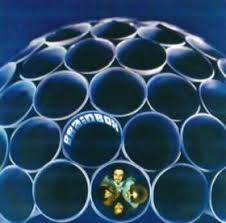
Impact: 4
The Trollheart Factor: 0
Linked with: Focus

Most famous as the launching board for Focus, Brainbox released three albums(including, weirdly, a “Best of” after just one album!) before they split in 1972. They reunited in 2004 and have since released another two albums plus a live one, the last being put out in 2011.

Can (1968 - 1979, (i)1986 - 1989 (ii))

Nationality: German
Original lineup: Michael Karoli (RIP), Jaki Lebezeit, Irmin Schmidt, Holger Czukay, David C. Johnson, Malcolm Mooney
First relevant album: Monster Movie, 1969

Impact: 9
The Trollheart Factor: 0
Linked with:

Another band instrumental in the Krautrock era, Can are one of the most well-remembered and artistes from Joy Division and The Fall to Bowie and Talking Heads cite them as an influence on their music, with Brian Eno composing a short movie in tribute to them. Although they disbanded in 1979 they reunited seven years later to record one more album. There were sporadic other appearances by them over the years, but since these usually concerned recording a track or a live performance I’m not counting them. They remain however a huge influence right across the music world, from jazz to avant-garde to electronica and of course prog rock.


Caravan (1968 - 1978 (i) 1980 - 1985 (ii) 1990 -1992 (iii) 1995 - (iv))

Nationality: British
Original lineup: David Sinclair, Richard Sinclair, Pye Hastings, Richard Coughlan (RIP)
First relevant album: Caravan, 1968

Impact: 8
The Trollheart Factor: 0
Linked with: Soft Machine, The Wilde Flowers

One of the premier bands in what would become known as the Canterbury Scene, Caravan were not a commercially successful band, but then, a large percentage of prog rock bands can say the same thing, and the real success lies in the legacy they leave behind and the bands they influenced.

Deep Purple (1968 - 1976)

Nationality: British
Original lineup: Rod Evans, Nick Simper, Jon Lord, Ian Paice, Ritchie Blackmore
First relevant album: Shades of Deep Purple, 1968 (but really Deep Purple in Rock, 1970)

Impact: 3
The Trollheart Factor: 5
Linked with: Rainbow, Whitesnake, Ian Gillan Band, Roundabout

I don’t really want to get bogged down too much exploring or talking about bands who were more or less just on the fringes of the progressive rock scene and who made their name in other spheres, and this certainly applies to Deep Purple, whom everyone will know as primarily a hard rock or even heavy metal band. But they began as prog rock and it might (might, depending on how many albums were released in this year) be interesting to see the direction they had originally been heading in. I’m also only recording their active years above as the times when they played what could be termed progressive rather than hard rock.

Henry Cow (1968 - 1978)

Nationality: British
Original lineup: Tim Hodgkinson, Fred Frith, Lindsay Cooper, Chris Cutler
First relevant album: Legend, 1973

Impact: ?
The Trollheart Factor: 0
Linked with:

One of the few British RIO bands, Henry Cow seemed determined to stay out of the mainstream, even of progressive rock, and they seemed to compose their music by committee, having actual meetings where they thrashed out the ideas and decided which ones to use and which to discard. Their music has been described as inaccessible, overcomplicated and brilliantly innovative.

King Crimson (1968 - 1974 (i) 1981-1984 (ii) 1994 - 2004 (iii) 2007 - 2008 (iv) 203 - (v))

Nationality: British
Original lineup: Robert Fripp, Peter Sinfield, Greg Lake, Ian MacDonald
First relevant album: In the court of the Crimson King, 1969
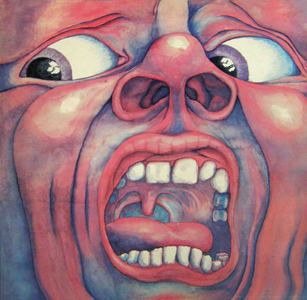
Impact: 10
The Trollheart Factor: 0
Linked with: A host of acts, including but not limited to 21st Century Schizoid Band, ProjeKCts, UK, Giles, Giles and Fripp, Crimson Jazz Trio and Porcupine Tree

One of the true giants of the progressive rock scene, King Crimson bestrode the movement like a colossus. Or so I’m told. Personally, I’ve never heard anything by them, and while this may be reason in some people’s minds to sting me up with the strings of a Hammond, I readily admitted when I began this journey that there were prog rock bands, many of them considered essential to the genre, whom I had not heard, and Crimson are one of them. Needless to say, I’ll be redressing that here. Driven by the genius and some would say tyranny of founder Robert Fripp, King Crimson shied from the pop song, or melodies too easy to play, and they certainly did not seem to court (sorry) chart success. Yet they have remained both one of the most influential bands not only in progressive rock but in music as a whole, and continue to confound their critics, still rocking after over forty-five years.

Rush (1968 - )

Nationality: Canadian
Original lineup: Geddy Lee, John Rutsey, Alex Lifeson
First relevant album: Fly by night, 1975

Impact: 9
The Trollheart Factor: 7
Linked with:

Beginning life as a blues rock band with their debut album, Rush soon began incorporating fantasy lyrics and themes into their music with the release of their second album, and quickly identified with the progressive rock crowd. One of the first, if not the first, progressive rock bands to come out of Canada, they have remained with pretty much the same lineup since 1974, always a power trio, and singer Geddy Lee has become famous for his high-pitched, often falsetto vocals. Rush released some of the most seminal prog rock albums of the seventies, including 2112, Caress of steel, A farewell to kings and Hemispheres.

The United States of America (1967 - 1968)

Nationality: American
Original lineup: Joseph Byrd, Dorothy Moskowitz, Gordon Marron, Rand Forbes, Craig Woodson, Ed Bogas
First relevant album: The United States of America, 1968

Impact: ?
The Trollheart Factor: 0
Linked with:

These poor guys split after recording only one album. Despite being the only band at the time I know of (as if that means anything!) to use instruments like calliope, harpsichord, fretless bass and electric violin, and not have any guitars at all, tensions within the band led to their disbanding a year after they got together. Their single album has however gone down in the annals of the history of prog rock, psychedelic music and avant-garde rock, it says here.

Yes (1968 - 1981 (i) 1984 - 2004 (ii) 2008 - (iii)

Nationality: British
Original lineup: Jon Anderson, Chris Squires, Peter Banks, Tony Kaye, Bill Bruford
First relevant album: Yes, 1969

Impact: 10
The Trollheart Factor: 6
Linked with: The Buggles, The Syn, Anderson Bruford Wakeman Howe

Another giant of the genre, Yes built their appeal and their fame on intricate keyboard passages, long, multi-part songs, and the soaring soprano voice of Jon Anderson. Some of their songs took up one full side of an album (Close to the edge, Tales from topographic oceans) and as a result, though hugely popular in the seventies they became identified as one of the bands against whom the punk rock backlash hit out, calling music such as they played pompous, overblown, and irrelevant. Well, they probably called it pretentious shite, but we’re not going to say that here.

__________________
Trollheart: Signature-free since April 2018

Last edited by Trollheart; 03-15-2015 at 06:29 PM.
Trollheart is offline   Reply With Quote
Old 03-22-2015, 11:15 AM   #6 (permalink)
Born to be mild
 
Trollheart's Avatar
 
Join Date: Oct 2008
Location: 404 Not Found
Posts: 26,996
Default

The albums then for 1968 are, to me, something of a disappointment. Not because of the albums themselves, per se, but because with very few exceptions they're just albums by each of the artistes I featured in the previous year, but some of them went on to be very famous and influential. Still, I would of choice have preferred albums from new artistes, but as mentioned in the last entry, some of the bigger acts (Yes, Rush, King Crimson) were only getting together at this point and it would be a year or two later before we would see any material from any of them. As we get further into the seventies I assume new artistes will tend to crop up more often, but as of now, here's what we have to work with.

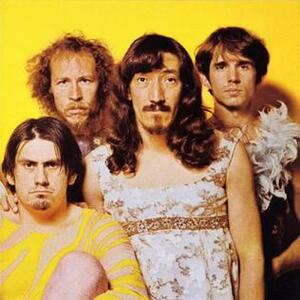
We're only in it for the money --- The Mothers of Invention

Ah, Frank Zappa how I hate you. You and Beefheart seem to epitomise everything I dislike about experimental music, but this album is apparently important, in that it was something of a backlash against another album that had come out the previous year and was heralding the birth of progressive rock itself, The Beatles' Sgt Peppers. I have fears for my sanity when I read about the composition of Zappa's album, but we'll give it a go.

The United States of America --- The United States of America

Already mentioned in the piece on the bands formed in 1968, this was the one and only release from this band, so if nothing else I owe it to their memory to listen to it and allow it its place in progressive rock history. Will I regret it? Probably.


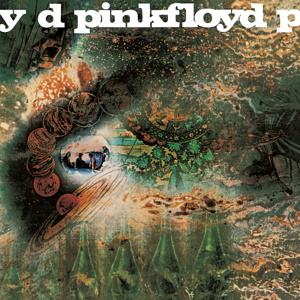
A saucerful of secrets --- Pink Floyd

Floyd's second album heralded the arrival of Dave Gilmour, originally to “prop up” the undependable and increasingly erratic Syd Barrett, though he would fairly quickly replace him as the founder left the band. After this, Waters and Gilmour would solidify their creative control over the band's music and Pink Floyd would begin to head in one direction, with fame and fortune and legendary status beckoning.


Music in a doll's house --- Family

To be honest, I'm not so sure about this one. I know nothing at all about Family and have a feeling they may be more in the psychedelic/hippy mould rather than prog, but I'll include it and see what people think, if anyone cares to advise me. It is in the list of 30 Cosmic Rock Albums, so there's that I guess.


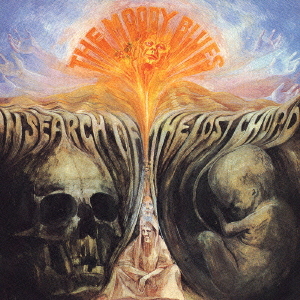
In search of the lost chord --- The Moody Blues

Third overall, second progressive rock album by the Moody Blues, another concept record but this time they played all the music themselves rather than use an orchestra. It includes Indian ethic instruments like the tabla and the sitar, and ends on a track that would be immortalised by Lister in the series Red Dwarf: it's called “Om”...


The cheerful insanity of Giles, Giles and Fripp --- Giles, Giles and Fripp

Precursor to the mighty King Crimson, how could we not check this one out?


Caravan --- Caravan

As already noted above, Caravan would go on to become an integral part and driving force of what would come to be known as “The Canterbury Scene”. This was their debut album.


This was --- Jethro Tull
Another band I never got, this was the debut album from Jethro Tull.


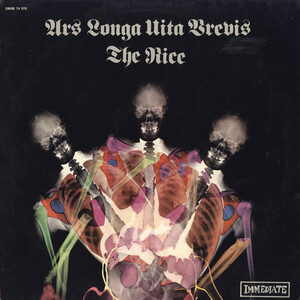
Ars longa, vita brevis --- The Nice

Second album from Keith Emerson's The Nice, who impressed me so surprisingly with their debut effort.


S.F. Sorrow --- The Pretty Things

Just getting in under the wire --- released in the UK in December 1968 and not until August of the following year 'cross the pond --- this is another one I'm not sure about, but it is a concept album so should probably be looked into.


The Soft Machine --- Soft Machine

Another band pivotal in the Canterbury Scene, this is the debut album from Soft Machine.


Shine on brightly --- Procol Harum

Continuing their pioneering work in progressive rock, Procol Harum released their second album neat the end of 1968.

So that's our list for 1968. I'll start reviewing them in the next entry. If anyone has comments, thinks I'm missing an album out or wants to offer any advice, you know what to do!
__________________
Trollheart: Signature-free since April 2018
Trollheart is offline   Reply With Quote
Old 03-24-2015, 05:56 PM   #7 (permalink)
Born to be mild
 
Trollheart's Avatar
 
Join Date: Oct 2008
Location: 404 Not Found
Posts: 26,996
Default

Okay, well starting at the top I guess we're stuck with Zappa again. It's funny: from the few albums sleeves of his I had seen when much younger I somehow had a feeling I would not like his music, and while this is certainly not a good basis upon which to form an opinion of a band, my original impressions do seem to have been borne out here, because anything I've listened to from him has either been meh or too off the charts for me. I don't quite get (though I'm sure others will explain, probably in some detail and with eyes rolling) his contribution to progressive rock. I have of course yet to listen to this album, but from what I've read about it it seems it will be the same sort of mishmash of sounds, effects, words, tapings and other assorted oddities that make up the likes of Beefheart's fearful Trout Mask Replica and which indeed informed the second half of Zappa's Freak out! If that's the case, I don't really see how that applies to progressive rock.

Nevertheless, many artistes prominent in the subgenre have stated him as an influence, and I guess it must be accepted that he was part of the push towards a more experimental, loose and improvisational attitude towards music, turning away from the basic rock and roll of the late fifties/early sixties and incorporating elements of jazz, blues, soul and the emerging psychedelia into compositions. The title of this journal is “I know what I like”, and I know what I don't, but in fairness I can't just listen to what I like here. This is the history of progressive rock, and there will undoubtedly be bands and artistes in there that I don't care for, but who will have to be reviewed and spoken of anyway. Guess FZ is one of those. Let's get this over with then.

Released as, as mentioned above, a kind of anti-Sgt Peppers, The Mothers' third album featured a lot of instrumental music which appeared on Zappa's solo effort, Lumpy gravy, which I had originally intended to cover but then backed out of (chicken gravy?), and both are seen as part of a trilogy, completed by Cruising with Ruben and the Jets, released at the end of the year, all to be tied together under the banner title of No Commercial Potential. Indeed.

Album title: We're only in it for the money
Artiste: The Mothers of Invention
Nationality: American
Label: Verve
Year: 1968
Grade: B
Previous Experience of this Artiste: Freak Out!
The Trollheart Factor: 1
Landmark value: Seen to be striking a blow against what was becoming to be seen as the overcommercialisation of music, and specifically against The Beatles, it's seen as a landmark album. I'll reserve judgement until I've heard it.
Tracklisting: Are you hung up?/ Who needs the Peace Corps?/ Concentration Moon/ Mom and dad/ Telephone conversation/ Bow tie daddy/ Harry, you're a beast/ What's the ugliest part of your body?/ Absolutely free/ Flower punk/ Hot poop/ Nasal retentive calliope music/ Let's make the water turn black/ The idiot bastard son/ Lonely little girl/ Take your clothes off when you dance/ What's the ugliest part of your body? (Reprise)/ Mother people/ The chrome plated megaphone of destiny
Comments: Okay, so the usual spoken-word nonsense I've to associate Zappa and to a lesser extent Beefheart with gets us under way, not exactly helping my attempts to be unbiased towards this album. At least there's music for the second track, and you can certainly see where they're slagging off the Fab Four here. Hey you know it's not bad. Like the humour: ”I will love everybody/ I will love the police/ As they're kicking the shit out of me.” “Concentration moon” is decent too, as is “Mom and dad”. This is a lot more, um, musical than I had expected, I must say! “Telephone conversation” is exactly what it says on the tin, which does not surprise me. Seems to be a 911 call though, which is interesting. “Bow tie daddy” is like a twenties song, but I actually like it. Mind you, it's only seconds long.

There's a lovely classical piano intro to “Harry, you're a beast”, and it's a good enough track to be fair. I know they're kind of slagging off the Beatles and psychedelic pop here, so maybe that's why it sounds so, ah, palatable to me? But either way, it's turning out to me a far more enjoyable experience than I expected. “Flower punk” is funny, ripping off “Hey Joe”, then it's like Vangelis's “Beauborg” (huh? Educate yourself man!) for “Nasal retentive calliope music” --- just weird to the max. Most of the album though is (dare I say it) listenable and decent music. Colour me surprised.

Favourite track(s): (Did not expect to be filling this in at all but as it happens...) Who needs the Peace Corps?, Concentration moon, Mom and dad, Harry, you're a beast, Let's make the water turn black, Flower punk, Lonely girl, The idiot bastard son, Take your clothes off when you dance
Least favourite track(s): (And this is a lot less populated than I expected it to be...) Hot poop, Nasal retentive calliope music, Mother people, The chrome plated megaphone of destiny
Overall impression: A lot of strange sounds but apart from that and the odd backward-masking effect, not at all bad really. I know: I'm surprised too!
Personal Rating:
Legacy Rating:
Final Rating:
__________________
Trollheart: Signature-free since April 2018
Trollheart is offline   Reply With Quote
Old 03-24-2015, 06:47 PM   #8 (permalink)
Born to be mild
 
Trollheart's Avatar
 
Join Date: Oct 2008
Location: 404 Not Found
Posts: 26,996
Default

One of the original protest bands or just a bunch of hippies who hated America, or at least the establishment of the time? Don't ask me: I never even heard of the United States of America until now (simmer down, Columbus! I'm talking about the band, not the country! Stop turning in your grave!) but if I'm right someone here has been pushing them, so at least one person will get enjoyment out of this article. A band who had only the one, self-titled album and then split up over tensions mostly created by having to work with the founder and driving force of the band, Joseph Byrd. Drugs, you'll be unsurprised to learn, also featured in the difficulties. Their one album is however remembered fondly. Why? Let's see.

Album title: The United States of America
Artiste: The United States of America
Nationality: American (duh!)
Label: Columbia
Year: 1968
Grade: B
Previous Experience of this Artiste: Zero
The Trollheart Factor: 0
Landmark value: As an early exponent of experimental and electronic music, the album is afforded a place in the history of progressive rock, and indeed, later electronic music.
Tracklisting: The American metaphysical circus/ Hard coming love/ Cloud song/ The garden of earthly delights/ I won't leave my wooden wife for you, sugar/ Where is yesterday/ Coming down/ Love song for the dead Che/ Stranded in time/ The American way of love (i) Metaphor for an older man (ii) California good time music (iii) Love is all
Comments: The opening is very annoying and disorienting, as various instruments and tracks vie for the same ear: I hear an organ, a carnival sound, marching bands, all meshing together and crossing over one another. Too much, man! But once it settles down it's a nice slow psych ballad with a great organ driving it. I hear too much of The Doors in “Hard coming love” though it's a decent enough song; like the change to female vocals. “Cloud song” is nice and pastoral, not sure if they're being ironic here or not but it's a lovely little tune.

Some pretty cool effects in “The garden of earthly delights”, especially when you consider they couldn't afford a decent synth (20K for a Moog?) and it has a nice hippie vibe to it,while “I won't leave my wooden wife for you, sugar” (?) is like a blues tune mixed with a traditional folk song. Weird but in a good way. “Coming down” sounds like some sort of Gregorian chant. Sorry, that must be “Where is yesterday” as “Coming down” rocks along like a good thing. I really like “Love song for the dead Che”; lovely organ melody in it, almost Carpenters-like. “Stranded in time” is pure Beatles, really like it too. Quite surprised with how I ended up liking this. Pretty cool to the max really.

Favourite track(s): Cloud song, The garden of earthly delights, Coming down, I won't leave my wooden wife for you, sugar, Love song for the dead Che, Stranded in time
Least favourite track(s): Nothing.
Overall impression: Considering how it started I'm surprised to say I really enjoyed this once it got going.
Personal Rating:
Legacy Rating:
Final Rating:
__________________
Trollheart: Signature-free since April 2018
Trollheart is offline   Reply With Quote
Old 04-22-2015, 09:34 AM   #9 (permalink)
Born to be mild
 
Trollheart's Avatar
 
Join Date: Oct 2008
Location: 404 Not Found
Posts: 26,996
Default

And so we come to the end of 1968. While there were some very influential and important albums released this year (the second efforts from Floyd and Procol Harum, Soft Machine's debut, Zappa's lunatic masterpiece) I feel the progressive rock iceberg was still about ninety-eight percent still submerged under the waters, with only the barest glimpses being given of what was to come. It wouldn't really be until 1970 that really classic prog rock albums would come to the surface, but 1969 does have at least a far longer list to choose from, and with bands like King Crimson,Yes and Van der Graaf --- to say nothing of Genesis --- entering the fray, you can probably begin to see the first real shapes beginning to emerge in the portrait prog rock would draw through the seventies.

I have to admit, I haven't been overly impressed with the crop so far. Even back to 1967, with a few exceptions these come across as bands trying to tentatively cross over the borders from blues or psychedelic rock to the new subgenre, or in the case of some, like The Nice, performing a balancing act by keeping one foot firmly on the ground of classical and jazz music while trying to stretch over and see how far they can make it into rock territory before losing their equilibrium and falling back on one side or other of the fence. Nobody strikes me as really going for it: even Floyd have still at this point the ghost of Syd Barrett to deal with, and until they shook that free in 1973 they would never really quite be regarded as a pure progressive rock band. It would take five more albums until they would finally hit the winning formula and define the sound of a generation. The Moody Blues would continue testing the boundaries, while Zappa would delight in kicking them down and trampling on them while scrawling rude messages on the brickwork, but would never really fall into the same category as the likes of Rush, Genesis, Camel and Yes. Jethro Tull would fart about for a few more years before finally deciding to go all-in with Aqualung in 1971, while Soft Machine would tread their own weird path into the seventies and The Nice would disband to allow Emerson's ego a much larger stage to strut on from 1970.

1969 was, though, when things began to get interesting, and that's where we're headed next.
__________________
Trollheart: Signature-free since April 2018
Trollheart is offline   Reply With Quote
Old 03-14-2015, 09:23 AM   #10 (permalink)
SOPHIE FOREVER
 
Frownland's Avatar
 
Join Date: Aug 2011
Location: East of the Southern North American West
Posts: 35,541
Default

Ok, before your next journal entry, you have a homework assignment: listen to In the Court of the Crimson King. Extra credit: videotape yourself listening to Art Zoyd or Henry Cow for our enjoyment. I think you could probably put a relatively high number for Henry Cow's impact rating because they pretty much started the RIO scene.
__________________
Studies show that when a given norm is changed in the face of the unchanging, the remaining contradictions will parallel the truth.

Frownland is offline   Reply With Quote
Reply


Similar Threads


© 2003-2025 Advameg, Inc.